 49% off
Gravesend Reaper
4.7(298)
- Reaper and floating girl
- Green glow runs mouth to mouth
- Sound trigger
$179.00$349.00
Pro-grade build
Every listing says commercial quality. Here is how to read the spec sheet so you know what you are buying before it is in the yard and the return window has closed.

Ignore the adjectives and find these on the spec sheet: what the frame is made of, what moves it, how it triggers, how it is powered, and what its outdoor rating is. A listing that does not answer all five is hiding at least one. Our product pages put them in the spec bars for that reason, and the bars are only as good as the numbers behind them.
| Spec line | What the cheap version says | What to look for |
|---|---|---|
| Frame | Plastic tubing, 'sturdy' | Steel or aluminum armature at the joints that take load: hips, shoulders, base |
| Motion | 'Animated', no motor count | Motor count and axis: head turn, torso lean, arm lift. Two motors is a nod; four is a lunge |
| Trigger | Loop or 'auto' | Motion sensor with range stated, step pad, or a try-me button that you can leave wired |
| Power | 3 AA batteries | Plug-in 120V with a UL-listed adapter for anything with a motor. Battery is fine for lights and sound only |
| Outdoor | 'Indoor/outdoor' | An IP rating, or at minimum a sealed control box and a statement about rain |
Commercial or pro-grade, in the haunt industry, means a prop built to run every night of a season in a paid attraction: metal frame, replaceable motors, a control board you can service. The word on a retail listing usually means nothing. The honest tell is the season count: a maker who says built for three seasons is making a claim they can be held to. A maker who says commercial quality is describing the photo.
Every Veilmoor animatronic page lists motion type, power, use rating and scare level in the spec bars, and any figure that carries a wind-tested badge ships with the anchoring hardware that was used to test it. Where a figure is fabric-dressed resin over a plastic frame, the page says so; where the joints are steel, it says that too. If a spec is missing from a page, it is because we do not have the number, not because we did not like it.
Usually in three places: the frame at the joints, the motor count, and the trigger. If those three lines read the same on both spec sheets, buy the cheaper one and spend the difference on light and anchoring, which change the display more.
The base and the motor gear train, in that order. A base that rocks stresses the motor every cycle. Anchor it properly and the motor lives much longer.
Shop the guide
49% off 49% off
 45% off
 47% off
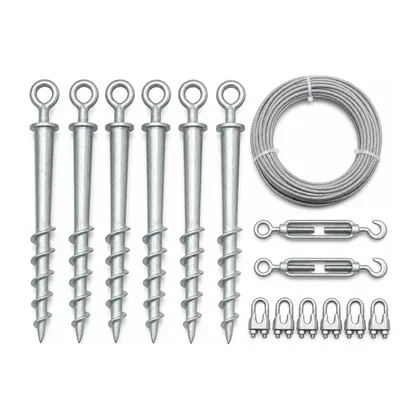 Wind-tested
Keep going